September 19, 2026 Post by : Editorial Training Tips
Puppy Biting: Why It Happens and How to Survive the Land Shark Phase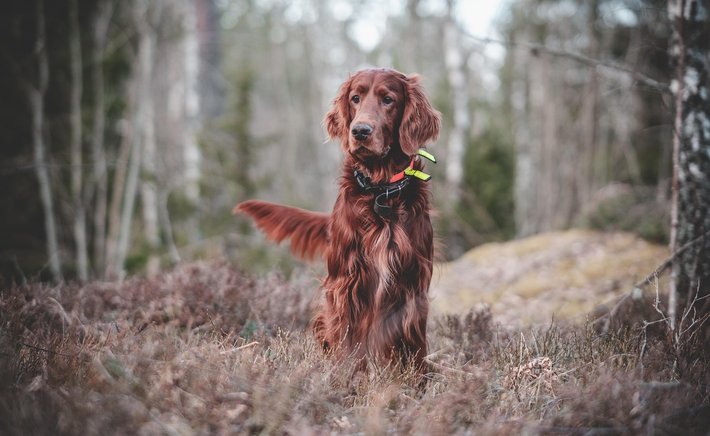
For a lot of dogs, the crate is either a lifesaver or a total nightmare — and which one you get usually comes down to how you introduce it. I've met plenty of owners who gave up on crates entirely after one bad night of whining, convinced their dog is "just not a crate dog." But in most cases, the problem isn't the dog. It's the pace.
Crate training works best when you stop thinking of it as confining your dog and start thinking of it as building a den they actually want to hang out in. That mental shift changes everything about how you approach it.
Start With the Door Wide Open
The biggest mistake people make is closing the door too soon. Before your dog will ever be comfortable being shut in, they need to decide the crate is a good place to be — on their own terms.
Set the crate up in a room where the family actually spends time, not tucked away in a basement or laundry room. Toss a few treats just inside the entrance and let your dog wander in and out freely. Don't latch anything. Don't even stand right next to it staring. Just let curiosity do the work.
Over the next few days, feed meals near the crate, then inside it with the door open. Drop a favorite toy in there during the day. If your dog walks in on their own, quietly praise them but don't make a huge production of it — big excited reactions can actually make a nervous dog more suspicious.
Once your dog is happily trotting in to check for treats, you can start closing the door for literally one second, then opening it right back up. Build from one second to five, to thirty, to a full minute. The goal is that the door closing never predicts anything bad. If your dog whines or paws, you moved too fast — go back a step and slow down.
Handling Whining, Barking, and Setbacks
Here's the hard truth: some whining is normal in the beginning, especially with puppies or rescue dogs who've never been crated. But there's a difference between a few minutes of protest and genuine panic.
If your dog is drooling heavily, trying to chew through the bars, or hurting themselves, stop and reassess. That's not stubbornness — that's distress, and pushing through it will only make things worse. Talk to your vet or a force-free trainer about a slower plan, and consider whether a crate is even the right tool for that particular dog. Some dogs do better with a pen or a baby-gated room.
For mild protest whining, the key is timing. Wait for even two seconds of quiet before you open the door. If you always open it mid-whine, you're teaching your dog that whining is what gets them out. If you always wait for silence, you're teaching them that calm is the ticket.
Keep sessions short, end on a win, and remember that progress isn't linear. Some days your dog will regress, and that's normal. Stick with small steps, keep the crate associated with good things, and most dogs come around within a couple of weeks. The ones who take longer aren't broken — they just need more patience than the average training video admits.


Author

22 feb,2025
This incident opened my eyes to the value of Insurance in general, so I decided to examine my personal and business insurance.




Comment (3)
The payments are made directly from one person to another without passing through a central bank or clearing house.
22 feb,2025
ReplyLoose Leash Walking: A Step-by-Step Plan for Dogs Who Pull Like a Freight Train
23 feb,2025
ReplyWe Tested 6 Slow Feeder Bowls: Which Ones Actually Slow Down a Gulper?
23 feb,2025
Reply