October 1, 2026 Post by : Editorial Training Tips
Why Your Dog Ignores You at the Park (And How to Fix It)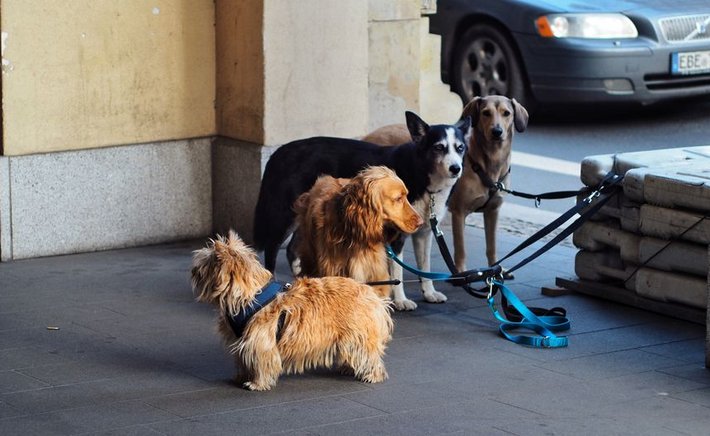
There's a moment every dog owner knows. You clip the leash, open the front door, and your sweet, sleepy companion transforms into a sled dog with somewhere urgent to be. Your shoulder aches, your arm feels longer, and the walk you envisioned as relaxing has become a tug-of-war. The good news is that loose leash walking is a skill, not a personality trait, and any dog can learn it with patience and consistency.
Start by lowering your expectations about distance. A fifteen-minute training walk where your dog stays near you is worth more than a mile of pulling. Pick a quiet route with few distractions, and go into it knowing you may only cover a block. That's fine. You're building a habit, not logging miles.
Teach the Basics Before You Hit the Sidewalk
Before expecting anything outdoors, practice indoors where distractions are minimal. Reward your dog for simply being near your left or right leg. Every time your dog chooses to stand beside you, mark it with a cheerful "yes" and deliver a treat. Do this in the kitchen, the hallway, the backyard. You're teaching a default position: next to you is where good things happen.
Next, introduce movement. Take a few steps and reward your dog for staying close. If your dog surges ahead, stop walking. Not a jerky correction, just stop. Wait. The moment your dog turns back or the leash slackens, reward and continue. This teaches a simple rule: pulling ends the walk, slack restarts it. It can feel tedious for the first week, but most dogs catch on quickly because the lesson is so clear.
When you do go outside, bring high-value treats. Kibble is fine indoors, but the real world competes hard for your dog's attention, so use something worth ignoring a squirrel for. Reward often, especially in the early days. You are competing against every smell, sound, and moving object on the street, so pay generously.
Troubleshooting the Most Common Setbacks
If your dog pulls toward a specific trigger, whether it's another dog, a jogger, or a discarded chicken bone, add distance before you add difficulty. Turn around, cross the street, or step onto a driveway. Training below your dog's threshold, the point where they can still think and respond, is where learning actually happens.
Equipment matters too. A front-clip harness can reduce pulling pressure without putting strain on your dog's throat. Flat collars and back-clip harnesses are comfortable but often give a determined puller extra leverage. Avoid retractable leashes during training; they reward pulling by letting your dog get farther away.
Finally, be boring when you stop. No talking, no tugging back, no eye contact. Just plant your feet and wait. The walk resumes when the leash is loose. Repeat this hundreds of times, and one day you'll notice something strange: your dog is walking beside you, the leash is drooping, and you're actually enjoying the stroll.

Author

22 feb,2025
This incident opened my eyes to the value of Insurance in general, so I decided to examine my personal and business insurance.
Comment (3)
The payments are made directly from one person to another without passing through a central bank or clearing house.
22 feb,2025
ReplyWe Tested 6 Slow Feeder Bowls: Which Ones Actually Slow Down a Gulper?
23 feb,2025
ReplyThe First 30 Days With a Rescue Dog: A Realistic Roadmap
23 feb,2025
Reply