September 28, 2026 Post by : Editorial Product Reviews
Crate Training Without the Tears: A Gentle Approach for Anxious Dogs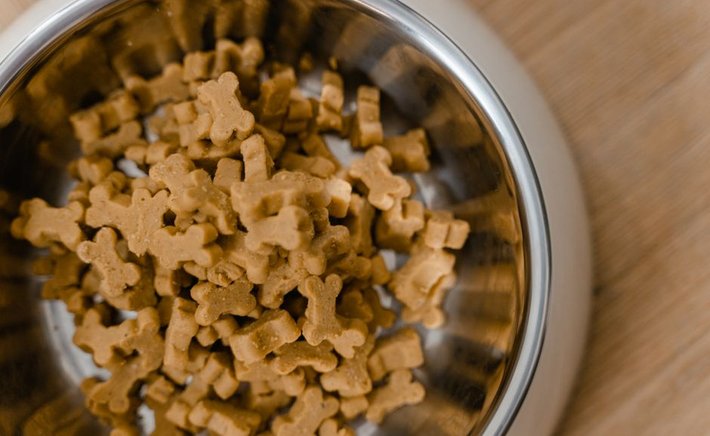
Some dogs eat like they're afraid the bowl will be repossessed. If your dog finishes a meal before you've set down your own plate, you've probably heard about slow feeder bowls. These are bowls with ridges, mazes, or obstacles designed to make your dog work for each bite, stretching a thirty-second meal into several minutes. We spent a month testing six popular styles with a rotating cast of enthusiastic eaters, from a gulping Labrador to a dainty terrier who needed a different kind of challenge.
The theory behind slow feeders is straightforward. Eating too fast can lead to gulped air, which may contribute to bloat and discomfort, especially in deep-chested breeds. Slowing the pace encourages more chewing, better digestion, and a little mental engagement at mealtime. It's not a cure-all, but for many dogs it's a simple upgrade.
What We Looked For
We judged each bowl on four things: how much it actually slowed eating, how easy it was to clean, how stable it stayed on the floor, and whether it was safe and comfortable for the dog to use. A bowl that slows eating but tips over or traps food in unreachable crevices is not a win.
The ridge-and-valley style bowls performed best overall. They slowed our fastest testers from under a minute to four or five minutes, and the shallow curves were easy to rinse. Maze bowls slowed eating even more dramatically, but a couple of them had tight corners where kibble got stuck, requiring a soak before washing. Those are better for dry food only and for dogs who won't get frustrated.
Stability mattered more than we expected. Lightweight plastic bowls slid across tile when a determined dog pushed into them. Bowls with rubber grips or a wider base stayed put. One ceramic option was heavy and stable but chipped when it slipped from a counter, so handle with care.
Tips for Using a Slow Feeder Well
Introduce the bowl gradually. Some dogs dive right in; others stare at it like it's a puzzle they didn't sign up for. Start with a thin layer of food spread across the surface so your dog gets quick wins, then increase the challenge over time.
Always supervise the first few meals. If your dog becomes frustrated, flips the bowl, or gives up, that's a sign to make it easier, not a sign your dog is stubborn. And remember that a slow feeder is a tool, not a fix. If your dog is a chronic speed eater, talk to your vet about whether the pace is actually a concern for your breed and body type.
Our takeaway: a good slow feeder is one your dog can use comfortably and you can clean without dread. Pick a stable, shallow-ridged design for most dogs, and reserve the complex mazes for confident eaters who enjoy a challenge.


Author

22 feb,2025
This incident opened my eyes to the value of Insurance in general, so I decided to examine my personal and business insurance.


Comment (3)
The payments are made directly from one person to another without passing through a central bank or clearing house.
22 feb,2025
ReplyLoose Leash Walking: A Step-by-Step Plan for Dogs Who Pull Like a Freight Train
23 feb,2025
ReplyWe Tested 6 Slow Feeder Bowls: Which Ones Actually Slow Down a Gulper?
23 feb,2025
Reply