September 13, 2026 Post by : Editorial Breed-Specific Care
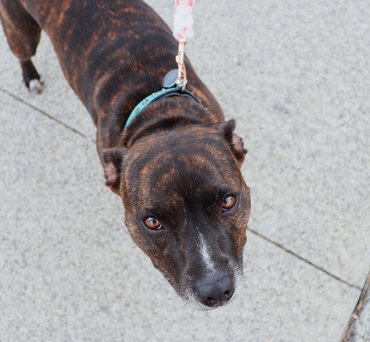
Living With a Brindle: What to Expect From This Coat Pattern and the Dogs Who Wear It
If you've ever tried to pee alone while a small shadow whines on the other side of the door, you know the velcro dog life. Breeds like Australian Shepherds, Vizslas, Cavalier King Charles Spaniels, and many rescues with herding or companion backgrounds are famous for it. They follow you room to room, they lean on you, they stare at you like you're the sun. It's flattering for about a week.
But there's a real difference between a dog who loves being near you and a dog who panics when you leave the room. The first is a personality trait. The second is a problem worth addressing, because a dog who can't relax without you is a dog who's stressed most of the time.
Signs Your Dog Crossed From Affectionate to Anxious
Affectionate clinginess looks like a dog who chooses to nap near you, follows you around, and greets you enthusiastically. That's fine. Enjoy it.
Anxious clinginess looks different. It's a dog who can't settle even when you're home, who paces while you shower, who panics when you pick up your keys, who destroys things or vocalizes when left alone. That's separation-related distress, and it tends to get worse, not better, if you ignore it.
Some dogs also develop what trainers call "hyper-attachment" to one person in the household, following that person exclusively and ignoring everyone else. This often shows up in single-owner rescue dogs or breeds that bond hard to one human. It's not aggression, but it can make life difficult for the rest of the family.
Building Small Doses of Independence
The fix isn't to push your dog away or punish them for following you. It's to teach them, gradually, that being apart for short stretches is safe and boring.
Start with the door. Practice stepping out of the room for five seconds and coming back before your dog gets upset. Do it a dozen times a day. No big goodbye, no big reunion. Just normal, boring coming and going. Over time, stretch it to thirty seconds, a minute, five minutes. The goal is to make your absence unremarkable.
Give your dog a designated spot — a bed, a mat, a crate with the door open — and reward them for hanging out there while you're in the same room but doing something else. This teaches them that being near you doesn't require being on top of you.
Enrichment helps too. A frozen stuffed toy or a puzzle feeder gives your dog something to focus on besides your every move. A tired, mentally satisfied dog is a much calmer dog.
If your dog is showing true panic when left — destructive chewing, howling, accidents, self-injury — that's beyond a training blog's pay grade. Work with a certified separation anxiety trainer or a veterinary behaviorist. It's a slow process, but it's very treatable, and your dog will be happier for it. Clinginess is sweet. Panic is not.


Author

22 feb,2025
This incident opened my eyes to the value of Insurance in general, so I decided to examine my personal and business insurance.


Comment (3)
The payments are made directly from one person to another without passing through a central bank or clearing house.
22 feb,2025
ReplyWhy Your Dog Ignores You at the Park (And How to Fix It)
23 feb,2025
ReplyCrate Training Without the Tears: A Gentle Approach for Anxious Dogs
23 feb,2025
Reply