September 7, 2026 Post by : Editorial Breed-Specific Care
We Tested 6 Slow Feeder Bowls: Which Ones Actually Slow Down a Gulper?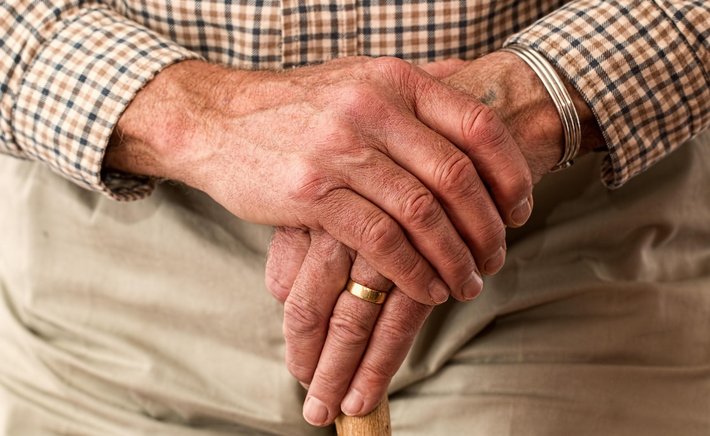
One day your dog is launching off the couch like a rocket, and the next they're hesitating at the stairs. Aging sneaks up quietly, and by the time most owners notice, their dog has already been compensating for a while. The good news is that senior dogs don't need dramatic changes to stay comfortable and happy. They need small, consistent adjustments.
Rethinking the Everyday Routine
Exercise is the first thing to reassess, but don't make the mistake of cutting it entirely. Senior dogs still need movement — it keeps their joints mobile, their weight in check, and their minds engaged. What changes is the format. Swap the long, fast walk for two or three shorter, sniff-heavy strolls. Sniffing is mentally tiring in a good way, and it's low impact.
Watch for signs that your dog is overdoing it: lagging behind on walks, stiffness after rest, reluctance to jump into the car. Those aren't just "getting old" — they're often early signs of arthritis or joint pain that a vet can actually help with. Don't write them off as inevitable.
Sleep matters more now too. Senior dogs sleep more, and they sleep deeper. Give them a quiet spot away from foot traffic and loud noises. A supportive orthopedic bed makes a real difference for dogs with achy hips, and it's one of the few purchases that almost every senior dog owner says was worth it.
Feeding routines may need adjusting as well. Some seniors need fewer calories because they're less active, while others lose weight and need more calorie-dense food. Dental issues can also make hard kibble painful — watch for dropped food, chewing on one side, or reluctance to eat. A vet check and possibly a softer diet can fix that quickly.
Making the Home Easier to Navigate
Small environmental tweaks can preserve a senior dog's independence and dignity. If you have hardwood floors, add a few non-slip rugs along their usual paths. Slipping is scary for older dogs and can lead to injury or a loss of confidence.
If your dog sleeps on your bed but struggles to jump up, get a ramp or dog stairs. Don't wait until they stop trying — by then they've already decided it's not worth it. Ramps for the car are also a game-changer for dogs who used to hop in easily and now hesitate.
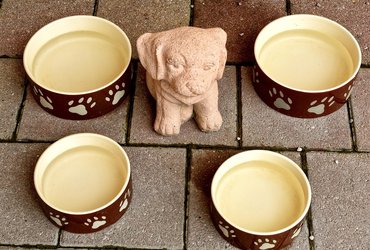
Raise food and water bowls if your dog has neck or joint stiffness. Elevated bowls aren't right for every dog, but for a senior with arthritis they can reduce pain at mealtime. Talk to your vet if you're not sure.
Keep nails trimmed. This sounds minor, but long nails change how a dog's foot hits the ground and can worsen joint issues. If your senior dog hates nail trims, ask your vet or groomer for help — it's worth the effort.
Finally, don't skip the vet visits. Senior dogs benefit from twice-yearly checkups, and bloodwork can catch problems like kidney disease or thyroid issues before they become serious. Aging is inevitable, but discomfort isn't. With a few thoughtful changes, your old friend can enjoy their golden years with a lot more tail wagging and a lot less creaking.
Author
22 feb,2025
This incident opened my eyes to the value of Insurance in general, so I decided to examine my personal and business insurance.


Comment (3)
The payments are made directly from one person to another without passing through a central bank or clearing house.
22 feb,2025
ReplyThe Velcro Dog Problem: Helping a Clingy Breed Find Independence
23 feb,2025
ReplyPuppy Biting: Why It Happens and How to Survive the Land Shark Phase
23 feb,2025
Reply