September 10, 2026 Post by : Editorial Training Tips
Loose Leash Walking: A Step-by-Step Plan for Dogs Who Pull Like a Freight Train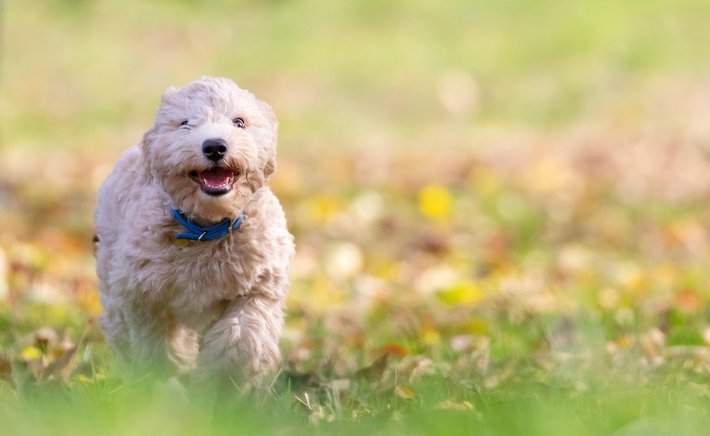
Nobody warns you properly about puppy teeth. They're tiny, they're sharp as tacks, and your adorable new family member will use them on your hands, your ankles, your sleeves, and your hair with zero remorse. The good news: biting is a completely normal developmental stage, and it does end. The bad news: how you handle it now shapes how your adult dog uses their mouth later.
Why Puppies Bite in the First Place
Puppies explore the world with their mouths. It's how they learn texture, temperature, and what's edible. Biting also relieves the discomfort of teething, which peaks somewhere around four to six months when those baby teeth start falling out.
On top of that, puppies bite when they're overstimulated, tired, or frustrated. A puppy who's been going hard all day and suddenly starts chomping everything in sight is often just a toddler who needs a nap. That's not misbehavior — that's exhaustion wearing a fuzzy costume.
And here's a piece people miss: puppies also bite to get a reaction. If biting your hand makes you yelp and pull away, that's a game. If it makes you shout, that's even more interesting. Consistency matters more than intensity when you're trying to teach bite inhibition.
What Actually Works (and What Makes It Worse)
The classic advice is to yelp and withdraw. That works for some puppies and backfires for others, especially herding breeds who think the yelp is part of the fun. If yelping revs your puppy up, skip it. Instead, calmly remove yourself. Stand up, cross your arms, turn away for ten to twenty seconds. Biting ends the fun — every single time, no exceptions.
Redirect, redirect, redirect. Keep a toy within reach at all times. The second your puppy's mouth heads for skin, swap in the toy and praise them for taking it. You're not punishing the bite, you're teaching them what to bite instead.
Manage the environment too. If your puppy is biting nonstop, they probably need a nap in a quiet crate or pen. Puppies need a shocking amount of sleep — often sixteen to twenty hours a day — and a lot of "behavior problems" evaporate when a puppy is properly rested.
Don't use your hands as toys, ever. No wrestling with bare hands, no letting them mouth you "gently." It muddies the message. If you want to play rough, use a tug toy and teach a clear "drop it" cue.
Finally, be patient. Bite inhibition takes months, not days, and it improves dramatically once the adult teeth come in around six months. If your puppy is drawing blood regularly, or if the biting is paired with stiff body language, hard stares, or growling, get a trainer involved. For the vast majority of puppies, though, this is just a phase. A loud, painful, frustrating phase. But a phase.

Author

22 feb,2025
This incident opened my eyes to the value of Insurance in general, so I decided to examine my personal and business insurance.


Comment (3)
The payments are made directly from one person to another without passing through a central bank or clearing house.
22 feb,2025
ReplyWhy Your Dog Ignores You at the Park (And How to Fix It)
23 feb,2025
ReplyCrate Training Without the Tears: A Gentle Approach for Anxious Dogs
23 feb,2025
Reply